Featured
Some Known Questions About True Testimonials of Individuals Who Achieved Peace of Mind.
Table of Contents
That maximizes money in the short-term, and you might have three to 4 years to conserve toward the negotiation amount. Very damaging to credit rating, mainly as a result of missed settlements and an unfavorable "settled" mark that can remain on your credit rating record for as much as seven yearsMay be just choice if other alternatives (financial obligation loan consolidation, equilibrium transfer charge card, financial obligation mercy) aren't possibleTypically requires a fee to the 3rd party, which might counter some or all of the financial savings from financial debt settlementMay aid you stay clear of insolvency if you have actually missed a number of paymentsNot all financial institutions deal with financial debt negotiation companies Financial debt forgiveness may be ideal for you if you are experiencing a financial hardship that makes it virtually impossible to pay down your debt balances.
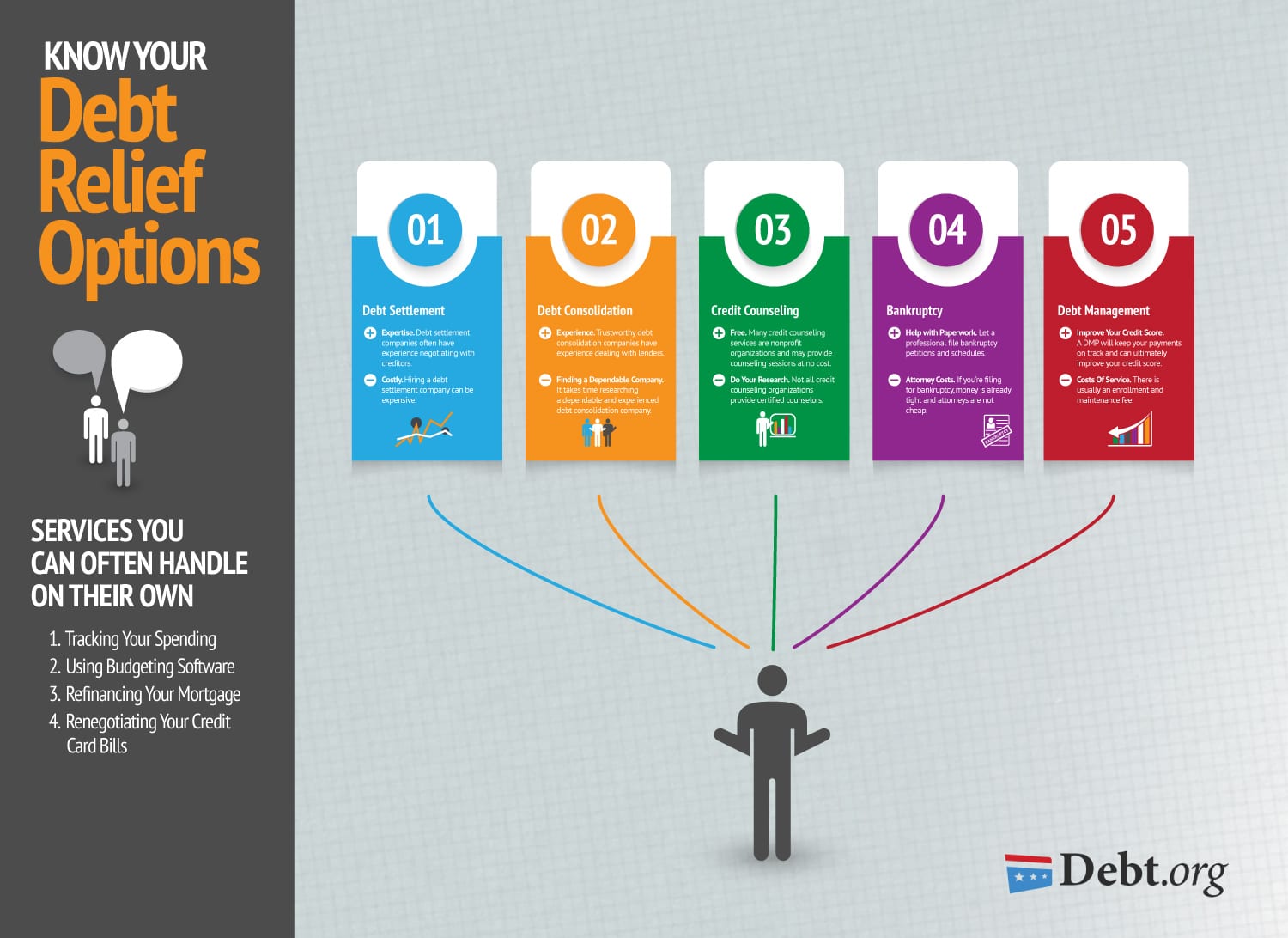
With a DMP, you make one month-to-month payment to the credit report therapy agency. Those funds are after that distributed to lenders of your unprotected financial debts, such as charge card and installment finances. The firm works with your creditors to lower passion rates or forgo charges, however some lenders may refuse such giving ins.
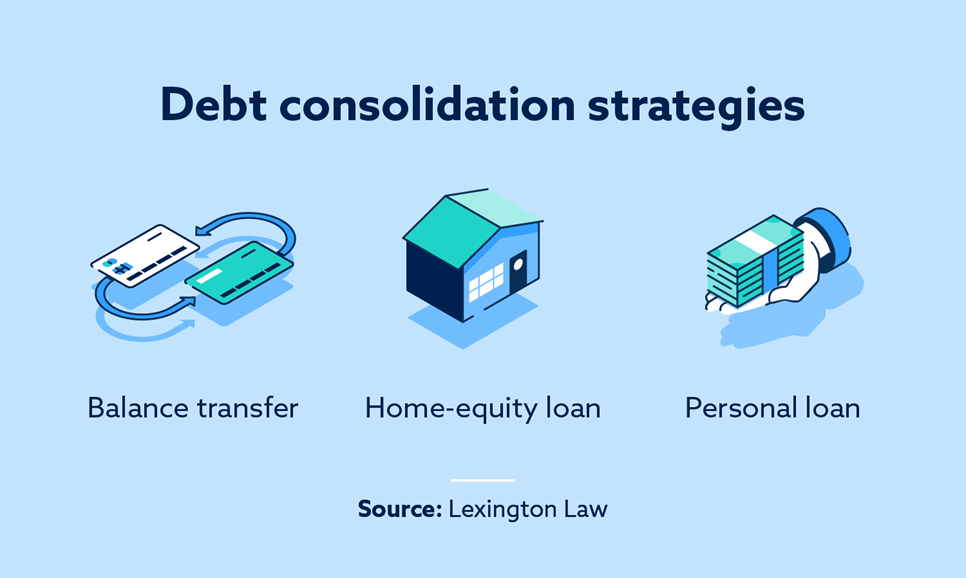
A financial obligation loan consolidation lending combines your qualified debts right into one brand-new loan. It can aid you pay down debt if you're able to safeguard a funding price that's reduced than the average rate of the accounts you're combining. You should abstain from racking up debt on those newly cleared accounts or your financial obligation could grow also greater.

That provides you lots of time to get rid of or considerably minimize your equilibrium while making interest-free payments.
Not known Incorrect Statements About The Pros and Cons of Bankruptcy
You may require it if your creditor or a debt collection agency ever tries to collect on the debt in the future. The letter could prove you don't owe what the debt collector's records reveal. Yes, in many cases, the internal revenue service thinks about forgiven financial obligation as taxed earnings. When a lender forgives $600 or even more, they are called for to send you Kind 1099-C.
Financial obligation forgiveness or settlement generally hurts your credit. Anytime you resolve a financial debt for much less than you owe, it may appear as "settled" on your credit rating report and affect your credit rating for 7 years from the day of negotiation. Your credit scores can additionally drop considerably in the months bring about the forgiveness if you fall back on repayments.
Facts About Extended Guidance Including Check-In Programs Uncovered
This situation often results from underreporting earnings, not filing returns on time, or disparities located during an Internal revenue service audit. The repercussions of building up tax financial obligation are serious and can consist of tax obligation liens, which give the IRS a lawful claim to your property as protection for the financial debt.
Greater rate of interest prices on available credit scores. Incomes and Bank Accounts IRS can impose (confiscate) salaries and financial institution accounts to please the financial obligation. Minimized revenue and disturbance of vital monetary procedures. Property Seizure In severe situations, the internal revenue service can seize and sell residential or commercial property to cover the financial debt. Loss of valuable assets and potential variation.
Depression, anxiety, and various other mental wellness issues. Social Stigma Facing lawful activity from the internal revenue service can lug social stigma. Damages to online reputation and connections. Employment Opportunities A bad credit report rating as a result of exhaust financial obligation can limit work chances. Trouble searching for or maintaining a job. Government Benefits Tax obligation financial obligation might impact eligibility for government advantages, such as Social Safety And Security and Medicaid.
A Biased View of True Experiences of How to Recover Financially After Job Loss Users
The OIC thinks about a number of elements, including the taxpayer's income, costs, asset equity, and capability to pay. Effectively working out an OIC can be complex, calling for a thorough understanding of the IRS's guidelines and a strong disagreement for why your deal aligns with your capability to pay. It is essential to keep in mind that not all applications are accepted, and the procedure requires thorough monetary disclosure.
The IRS examines your overall financial situation, including your earnings, expenditures, asset equity, and ability to pay. You must additionally be present with all filing and repayment needs and not remain in an open insolvency case. The internal revenue service also considers your conformity history, assessing whether you have a document of prompt declaring and paying tax obligations in previous years.
A Biased View of Government Resources for Debt Relief
The application process for a Deal in Compromise involves a number of comprehensive actions. Initially, you must complete and send IRS Type 656, the Offer in Concession application, and Form 433-A (OIC), a collection details statement for people. These forms call for extensive monetary information, including information regarding your revenue, financial obligations, expenditures, and properties.
Back taxes, which are overdue tax obligations from previous years, can dramatically enhance your overall IRS financial obligation otherwise addressed immediately. This debt can build up rate of interest and late payment fines, making the original amount owed a lot larger in time. Failure to repay taxes can cause the IRS taking enforcement actions, such as releasing a tax obligation lien or levy versus your property.
It is necessary to deal with back tax obligations immediately, either by paying the total owed or by preparing a layaway plan with the IRS. By taking aggressive actions, you can avoid the accumulation of added rate of interest and penalties, and prevent much more hostile collection actions by the internal revenue service.
One usual reason is the idea that the taxpayer can pay the total either as a round figure or via a settlement plan. The IRS additionally thinks about the taxpayer's revenue, expenses, possession equity, and future earning capacity. If these elements indicate that the taxpayer can pay for to pay more than the supplied amount, the internal revenue service is most likely to reject the offer.
Some Ideas on Local Programs That Offer Debt Relief You Should Know
It is critical to offer accurate and full details in your application and to seek advice from with a tax obligation specialist to improve the chances of approval. Managing IRS financial obligation can be complex and overwhelming. Tax specialists, such as CPAs, tax obligation attorneys, or registered representatives, can give indispensable aid. They have the experience to navigate the ins and outs of tax obligation legislation and internal revenue service treatments.

Table of Contents
Latest Posts
Not known Factual Statements About What's Ahead in Bankruptcy Counseling Programs
Getting My Student Loan Debt Forgiveness Pathways To Work

Navigating Financial planning for veterans in Florida living on pension or disability income for Struggling Consumers - The Facts
More
Latest Posts
Not known Factual Statements About What's Ahead in Bankruptcy Counseling Programs
Getting My Student Loan Debt Forgiveness Pathways To Work